Monitoring Partnerships Key to Tackling Esports Integrity Concerns
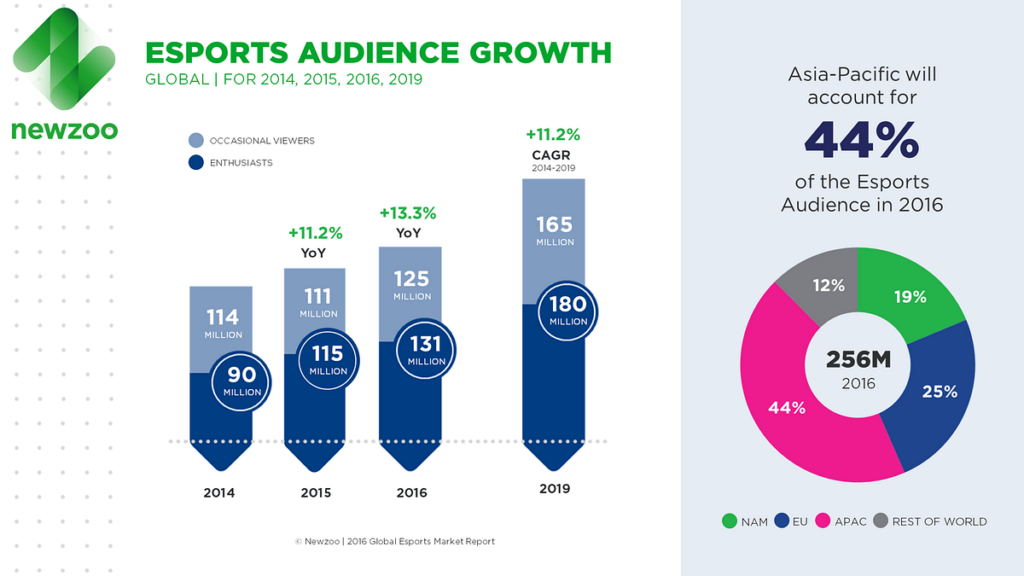
Esports has experienced remarkable growth in recent years, captivating audiences worldwide and attracting significant investment from various stakeholders. However, as the industry continues to evolve, concerns around integrity have become increasingly prevalent, with match-fixing and suspicious betting activities posing a threat to the credibility and sustainability of the esports ecosystem. Addressing these challenges requires a collaborative effort, and the establishment of robust monitoring partnerships is emerging as a crucial strategy to safeguard the integrity of esports competitions.
The Rise of Suspicious Esports Incidents
The International Betting Integrity Association (IBIA) has been at the forefront of monitoring and addressing integrity concerns in the esports industry. In a recent report, the IBIA flagged 15 suspicious esports incidents in the first quarter of the current season, a significant jump from the previous year. These incidents, which can range from match-fixing to unusual betting patterns, underscore the growing need for proactive measures to protect the integrity of esports competitions.
Establishing Monitoring Partnerships

To tackle the rising tide of integrity issues, esports stakeholders, including tournament organizers, game publishers, and betting operators, are recognizing the importance of establishing comprehensive monitoring partnerships. These partnerships bring together various entities with a vested interest in preserving the integrity of the esports industry, enabling them to share information, identify potential threats, and implement effective countermeasures.
Collaboration with Betting Integrity Associations
One of the key components of these monitoring partnerships is the collaboration with reputable betting integrity associations, such as the IBIA. These organizations have extensive experience in monitoring and analyzing betting patterns across multiple sports and esports titles, and they can provide valuable insights and early warning systems to help esports stakeholders detect and respond to suspicious activities.
By sharing data and intelligence, esports organizations can leverage the expertise of these integrity associations to enhance their own monitoring capabilities and stay ahead of potential threats. This collaborative approach not only strengthens the overall integrity of esports competitions but also instills confidence in the betting market, which is crucial for the continued growth and sustainability of the industry.
Leveraging Cutting-Edge Monitoring Technologies
In addition to forging partnerships with integrity associations, esports stakeholders are also investing in cutting-edge monitoring technologies to enhance their ability to detect and respond to integrity breaches. These technologies can include advanced data analytics, machine learning algorithms, and real-time monitoring systems that can identify anomalies in betting patterns, player behaviors, and other relevant data points.
By integrating these technologies into their monitoring frameworks, esports organizations can gain a more comprehensive understanding of the integrity landscape, enabling them to make informed decisions and implement targeted interventions to mitigate the impact of any integrity-related incidents.
Fostering a Culture of Transparency and Accountability
Effective monitoring partnerships also rely on the cultivation of a culture of transparency and accountability within the esports industry. This involves establishing clear policies, guidelines, and reporting mechanisms that encourage all stakeholders, including players, teams, and betting operators, to proactively disclose any suspicious activities or potential integrity breaches.
By fostering an environment of openness and collaboration, esports organizations can build trust, enhance their ability to detect and respond to integrity issues, and ultimately strengthen the overall credibility of the industry.
Educating Stakeholders and Promoting Responsible Betting
Alongside the establishment of monitoring partnerships, esports stakeholders are also focused on educating players, teams, and the broader esports community about the importance of integrity and the consequences of engaging in match-fixing or other integrity-related activities. This includes providing training programs, resources, and clear guidelines on ethical conduct and responsible betting practices.
By empowering all stakeholders with the knowledge and tools to identify and report integrity breaches, esports organizations can create a more resilient and self-policing ecosystem, further strengthening the overall integrity of the industry.
The Path Forward: Continuous Improvement and Collaboration
Addressing the integrity challenges facing the esports industry is an ongoing process that requires a commitment to continuous improvement and collaboration among all stakeholders. As the industry continues to evolve, esports organizations must remain vigilant, continuously refine their monitoring strategies, and adapt to emerging threats.
By fostering strong monitoring partnerships, leveraging cutting-edge technologies, and promoting a culture of transparency and accountability, the esports industry can take proactive steps to safeguard its integrity, ensuring the long-term sustainability and growth of this dynamic and rapidly evolving ecosystem.
Remember, responsible gambling is essential for the health and well-being of the esports community. If you or someone you know is struggling with gambling-related issues, seek help from reputable organizations that provide support and resources.
